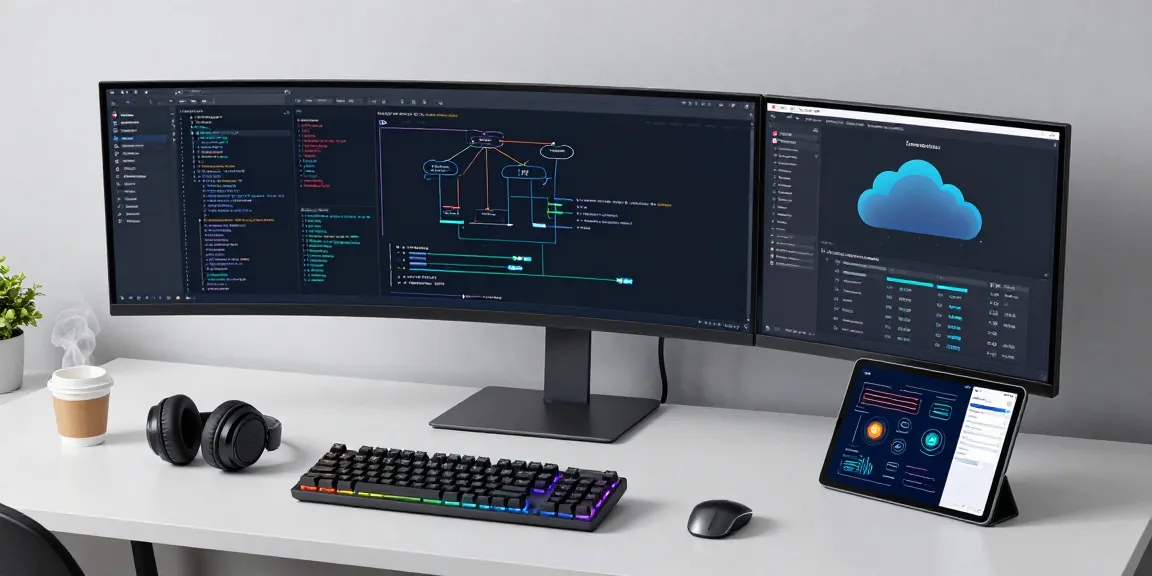
Understanding Thabet: An Overview of Its Relevance in Technology
In today’s rapidly evolving technological landscape, the term Thabet emerges as a symbol of innovation and adaptability across several sectors. Recognized for its strong presence in software development, cloud computing, and AI, Thabet becomes vital in understanding digital transformation. This article aims to explore various aspects of Thabet, from its role in modern software development to its integration with advanced technologies, providing insights for both technical professionals and curious enthusiasts alike.
The Role of Thabet in Modern Software Development
As software development continues to evolve, Thabet plays a crucial role in shaping effective solutions. Utilizing methodologies such as Agile and DevOps, Thabet embraces practices that promote collaboration and rapid development cycles. Key technical practices, such as Continuous Integration/Continuous Deployment (CI/CD) and automated testing, are prominent within the Thabet framework, ensuring a higher quality of software delivery. Furthermore, embracing microservices architecture allows developers to build more scalable and maintainable applications.
Advanced Technologies Associated with Thabet
Thabet is associated with cutting-edge technologies such as containerization and serverless computing. When integrated into solutions, containerization helps simplify application deployment and scaling, offering flexibility through platforms like Docker and Kubernetes. Serverless architectures, like AWS Lambda or Azure Functions, further enhance the efficiency by allowing developers to focus solely on code, eliminating some of the infrastructure management burdens.
Thabet in the Context of AI and Machine Learning
Artificial Intelligence (AI) and Machine Learning (ML) have transformed various industries, and Thabet is driving that transformation forward. Organizations leveraging Thabet solutions can benefit from algorithms that analyze vast amounts of data, enabling predictive analytics and improved decision-making processes. By adopting AI-powered services, businesses can enhance customer experiences while optimizing operations through automation. The inclusion of ML models in software applications offers intelligent insights, revealing patterns that significantly contribute to strategic business development.
Exploring Software Architecture Patterns for Thabet Solutions
To harness the potential of Thabet effectively, understanding the prevalent software architecture patterns is essential. Modern applications require adaptiveness and flexibility, and employing the right architecture can be a game changer.
Microservices Architecture: Empowering Thabet Cloud Applications
Microservices architecture decomposes applications into smaller, manageable services that can be developed, deployed, and scaled independently. This approach is particularly relevant for Thabet, as it promotes faster release cycles and better resource allocation. Each service can use the most suitable technology stack while ensuring that the overall system remains cohesive and interoperable.
Best Practices for API Development Related to Thabet
APIs (Application Programming Interfaces) are the backbone of modern web applications, facilitating communication between distinct software components. When developing APIs for Thabet solutions, it is crucial to adhere to best practices such as RESTful design principles, versioning, and implementing comprehensive documentation. Furthermore, ensuring security via OAuth and API Gateways can safeguard sensitive data and improve the overall trustworthiness of the solution.
Thabet and the Evolution of Scalable Systems
Scalability is a fundamental requirement for any application in today’s digital realm. Thabet solutions emphasize scalable systems by utilizing horizontal scaling strategies and leveraging cloud infrastructure. Implementing load balancers and efficient database management, such as sharding, guarantees high availability and performance during varying loads, ensuring user satisfaction and business continuity.
Cloud Computing Strategies for Thabet Implementations
Leveraging cloud computing enables Thabet to reach new heights in performance and accessibility. As businesses transition to the cloud, understanding effective strategies becomes critical for success.
Choosing the Right Cloud Platform: AWS, Azure, or GCP for Thabet Solutions
When considering cloud platforms, businesses must evaluate AWS, Azure, and Google Cloud Platform (GCP) based on their specific needs and budget. Each platform offers distinct benefits: AWS is renowned for its vast range of services and maturity, Azure excels in hybrid cloud solutions, and GCP leads in ML capabilities. An informed choice based on workload requirements will facilitate optimal resource utilization.
Security and Compliance Considerations for Thabet in the Cloud
As organizations migrate to the cloud, security must remain a top priority. Thabet solutions should implement multi-layered security protocols, including encryption, access controls, and regular compliance audits. Deep integration with Identity and Access Management (IAM) services provided by cloud providers fortifies these solutions against emerging threats, enhancing data protection.
Thabet’s Role in Multi-Cloud Strategies
Multi-cloud strategies are gaining traction as businesses aim to avoid vendor lock-in and optimize costs. Thabet can facilitate seamless integration across different cloud environments, enabling data interoperability and consistent application performance. This flexibility allows organizations to leverage the unique strengths of multiple cloud vendors while maintaining governance and compliance across their infrastructure.
Cybersecurity Protocols for Protecting Thabet Platforms
The increasing number of cyber threats underscores the significance of cybersecurity protocols for Thabet platforms. Implementing proactive measures is vital for safeguarding sensitive data and ensuring operational integrity.
Common Threats to Thabet Technologies
Common threats facing Thabet technologies include DDoS attacks, data breaches, and phishing attempts. Understanding these threats is crucial for implementing effective defenses. By employing network segmentation, advanced firewalls, and regular vulnerability assessments, organizations can reduce their attack surface and enhance their overall security posture.
Implementing Proactive Cybersecurity Measures for Thabet Services
Proactive cybersecurity measures encompass threat intelligence, regular monitoring, and incident response planning. Utilizing tools such as Security Information and Event Management (SIEM) can help detect anomalies and respond swiftly to potential breaches. Ensuring staff is trained in security awareness is equally important in forming a robust defense against cyber threats.
Incident Response Plans Related to Thabet Applications
Every organization utilizing Thabet must develop a comprehensive incident response plan. This plan should outline the steps to take in the event of a cybersecurity incident, including identification, containment, eradication, and recovery. Establishing clear communication protocols with stakeholders ensures transparency and trust during a crisis.
Future Trends and Innovations with Thabet in Technology
Technology is a sphere of constant evolution, and Thabet is poised to lead several trends and innovations that will shape the future.
Upcoming Technologies Impacting Thabet Solutions
Emerging technologies such as blockchain, edge computing, and Quantum Computing are set to redefine how Thabet solutions operate. Blockchain can enhance security and transparency in transactions, while edge computing enables processing data closer to its source, improving latency and performance. The advent of Quantum Computing introduces the potential for solving complex problems currently beyond classical computing capabilities.
Integration of AI and Automation in Thabet Workflows
As the integration of AI continues, it will become integral to automating workflows within Thabet solutions. By employing AI-driven chatbots, intelligent data processing, and RPA (Robotic Process Automation), organizations can increase operational efficiency and improve customer experiences. The ongoing evolution of AI will push the boundaries of productivity and innovation.
Preparing for Thabet in the Era of Quantum Computing
With Quantum Computing on the horizon, preparedness is key for businesses leveraging Thabet solutions. Understanding quantum algorithms and their applications will be crucial in adapting to this new paradigm. Moreover, firms must consider the implications for cybersecurity, as quantum computers could potentially break traditional encryption methods.
FAQs about Thabet Technology Solutions
What is Thabet and its significance in tech?
Thabet symbolizes innovation and adaptability in various tech domains, from software development to cloud computing, emphasizing rapid deployment and scalability in modern applications.
How can Thabet improve software development efficiency?
Thabet enhances software development efficiency by implementing agile methodologies, adopting CI/CD practices, and leveraging microservices architecture that promotes faster release cycles and improved collaboration.
What are the best practices for securing Thabet systems?
Best practices for securing Thabet systems include multi-layered security protocols, regular vulnerability assessments, effective incident response plans, and continuous monitoring for emerging threats.